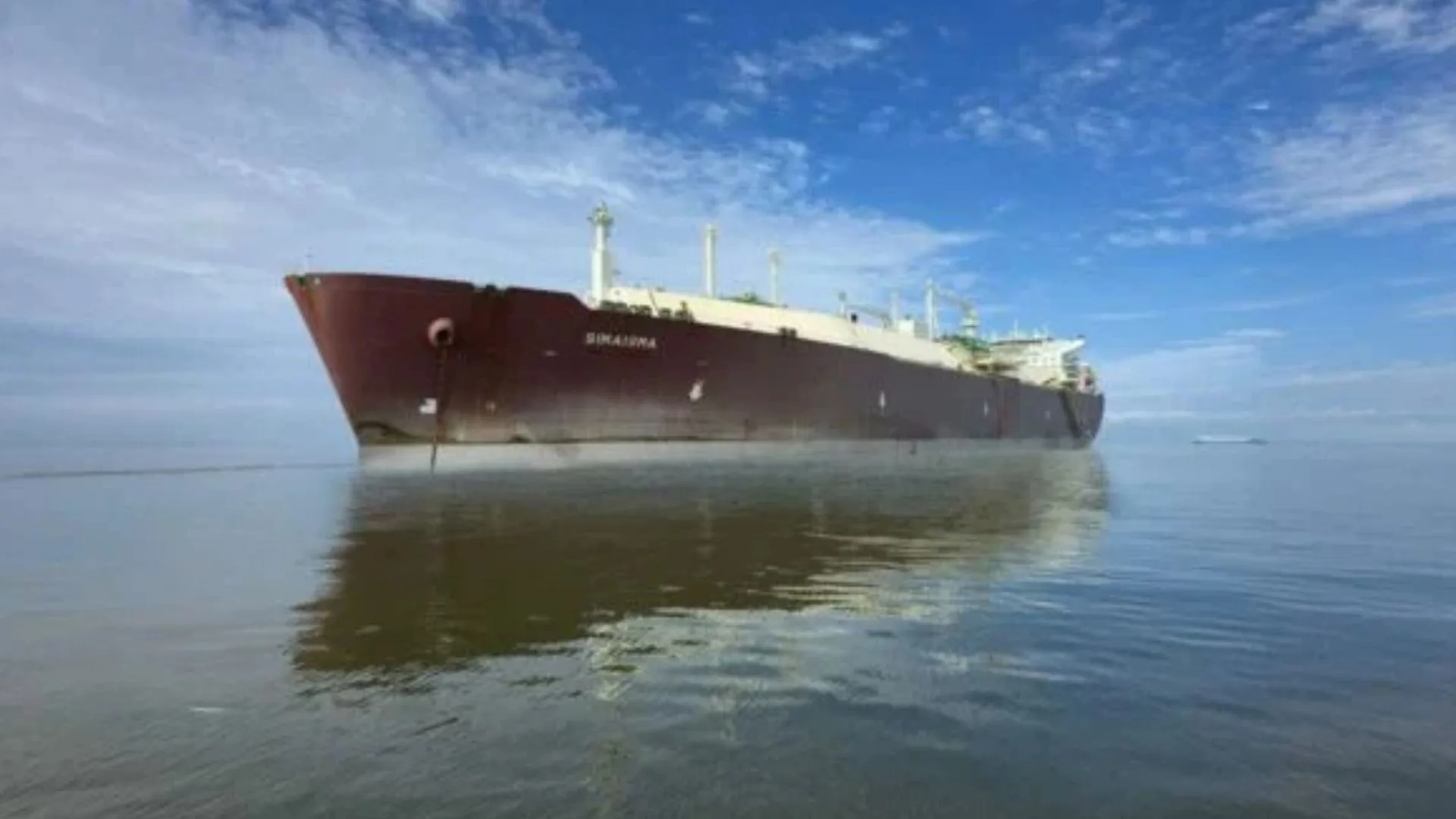
Golar LNG has agreed to acquire the 2013-built LNG carrier Grace Dahlia from Japanese shipping company NYK Line, to be converted into its fourth floating liquefied natural gas (FLNG) unit.
The operation advances a project commissioned in August 2026, with shipyard delivery scheduled for late 2029. The initiative is part of the expansion strategy of the company, which specializes in maritime infrastructure for the liquefied natural gas (LNG) value chain.
The new facility will have a nominal liquefaction capacity of 3.5 million tonnes per annum (MTPA) and will utilize the MKII design, which Golar is also applying to the Esperanza unit, currently under conversion.
Both facilities will be developed at the CIMC Raffles shipyard in Yantai, China. The parallel execution of projects with a common architecture allows for the leveraging of engineering expertise and standardization opportunities during construction.
The acquisition of the Grace Dahlia represents a further step in defining the project, although it does not imply the unit is ready for operation. The conversion requires integrating process systems and the necessary auxiliary equipment to liquefy natural gas on board, in addition to completing technical verifications and pre-delivery testing.
Increased storage for offloading operations
The Grace Dahlia has an LNG storage capacity of 177,427 cubic meters, approximately 20% higher than that of the Esperanza, according to Golar LNG. This difference is one of the primary design attributes of the future facility and could offer greater flexibility to customers during the transfer of product to LNG carriers destined for transport.
Storage serves a relevant logistical function in FLNG units. LNG production and the arrival of receiving vessels do not always coincide exactly; therefore, having additional capacity can broaden the window for scheduling offloading operations and reduce constraints associated with maritime coordination.
It is important to distinguish storage from production capacity. Although the new vessel will offer approximately 20% more storage volume than the Esperanza, both units share a nominal liquefaction capacity of 3.5 MTPA.
Golar LNG: Naval conversion as an expansion strategy
The project relies on the transformation of an existing vessel into a floating industrial facility. This approach allows for the reuse of the hull and part of the maritime infrastructure, while incorporating the process systems required for liquefaction.
However, technical viability depends on the structural condition of the vessel, equipment layout, systems integration, and safety requirements applicable to the new operations.
The engineering evaluation of the Grace Dahlia must consider its maintenance history, structural integrity, design characteristics, and compatibility with the planned loads and modifications. It is also necessary to verify how the liquefaction equipment and storage and transfer systems will be integrated into the final configuration.
Golar LNG announced a total approximate budget of US$2.45 billion for its fourth FLNG unit, including delivery to the planned operational site. The figure corresponds to the conversion and development project of the facility, not the acquisition price of the vessel, which was not made public. The company is also seeking to secure a long-term utilization contract for the new capacity.
Delivery in 2029 and expansion of LNG supply
The delivery scheduled for late 2029 would place the fourth unit within Golar LNG’s growth plan, which seeks to expand its floating liquefaction services for gas producers.
The availability of these facilities can offer an alternative for monetizing resources that require export infrastructure, especially when a floating solution is suitable for the project conditions.
The simultaneous execution of the Esperanza and the fourth FLNG at CIMC Raffles also allows for the repetition of MKII design elements and the leveraging of experience gained during the conversion of previous units.
Standardization can facilitate engineering and construction planning, although the final outcome will depend on shipyard performance, equipment integration, and adherence to the planned schedule.
SOURCE and PHOTO: https://www.offshore-energy.biz/